There’s no fixed answer, but many buyers find that the search takes a few weeks to a few months, followed by a settlement period that’s often around 30 to 90 days. A buyer’s agent doesn’t change how long a sale takes to settle, but they can make the search more focused and keep the steps moving. The biggest factors are your brief, the market, how quickly you can decide and how the property is sold.
That’s the short version. Here’s a plain-English walk-through of each stage, what can speed things up, and what can slow things down.
Why It Depends
Two buyers can use the same agent and have very different timelines. One finds the right home in a few weeks. Another searches for months because they’re after something specific, or because the market is competitive.
So instead of promising a number, it’s more useful to know what shapes the timeline. Then you can plan around it.
The Stages, and How Long Each Can Take
The times below are general guides only. Your purchase could be quicker or slower.
| Stage | What happens | How long it can take |
|---|---|---|
| 1. Strategy and brief | You and your agent talk through goals, budget, location and must-haves | Often a few days to a couple of weeks |
| 2. Research and shortlisting | The agent researches areas and sales, and searches for suitable properties | Often a few weeks, sometimes longer |
| 3. Inspections and assessment | The agent inspects shortlisted properties and compares value | Ongoing alongside the search |
| 4. Offer or auction | You negotiate or bid on a property | Can be days for a private sale, or a few weeks for an auction campaign |
| 5. Contract and due diligence | Your conveyancer or solicitor reviews the contract, and inspections and finance steps are completed | Often days to a few weeks |
| 6. Settlement | The sale is finalised and you get the keys | Often around 30 to 90 days after the contract, depending on what’s agreed |
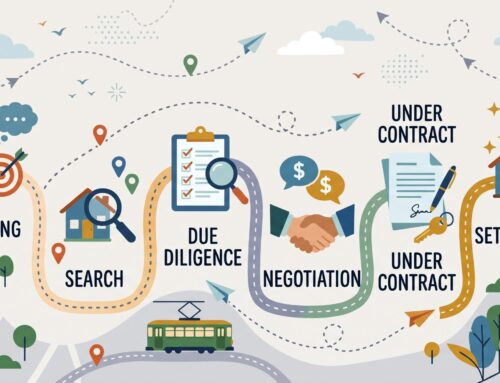
The longest and least predictable part is usually the search, because it depends on the right property coming up at the right time. You can see each step in the process you’ll go through.
What Can Speed Things Up
- A clear brief. Knowing what you want, and what you’re willing to compromise on, avoids wasted inspections.
- Being ready early. If you’ve spoken to your lender or mortgage broker, and your conveyancer or solicitor is lined up, you can move quickly when the right property appears. Finance timing is something your lender or broker can explain, as we don’t give finance advice.
- Flexibility. Being open about suburbs, property types or settlement dates widens your options.
- Quick decisions on your side. Your agent can only move as fast as you can decide.
- Starting early. The sooner you engage an agent, the more time they have to research and plan. See When Should I Hire a Buyer’s Agent?
- Someone to do the legwork. Handing over the searching and inspecting can keep things moving when you’re busy. Read Can a Buyer’s Agent Really Help Me Buy Faster?
What Can Slow Things Down
- A very specific wish list. The narrower the brief, the fewer properties qualify.
- A competitive market. If lots of buyers want the same properties, you may miss out and need to keep looking.
- Limited stock. Some suburbs and property types simply don’t come up often.
- Missing out at auction. It’s frustrating, but it’s part of buying. A good agent helps you stay disciplined rather than overpay. See How to Bid at Auction Without Overpaying in Melbourne.
- Issues in due diligence. If an inspection or the contract raises a concern, it can take time to sort out, or you might decide to walk away.
- Changing your mind or your brief. It happens, and a good agent will help you adjust.
- Waiting on others. Lenders, valuers, conveyancers and the other side all have their own timeframes.
Does a Buyer’s Agent Make It Faster?
Often, they make the search more efficient. They filter properties, inspect for you, research value and handle the negotiation, which can save you plenty of time and wasted weekends. But they can’t speed up everything. They can’t make the right property appear, and they don’t control settlement periods, lenders or other people’s timelines.
Think of it as buying smarter rather than just faster. Rushing is one of the quickest ways to overpay or miss a problem. If you’d like to understand more about how agents work, see What Does a Buyer’s Agent Do That I Can’t Do Myself?
Three Illustrative Examples
These are made-up examples to show how different timelines can be. They aren’t typical results or promises.
The ready and flexible buyer. They know their budget range, have their team lined up and are open on location. They may find a suitable property relatively quickly, then move through the contract and settlement steps in the usual way.
The specific buyer. They want a particular type of property in a small area. Suitable homes don’t come up often, so the search may take longer, and patience pays off.
The one who missed out. They found a property they loved, but it sold for more than their limit. They stayed disciplined, adjusted their plan and kept looking. It took longer, but they avoided overpaying.
What If You’ve Already Found a Property?
Then you’re part-way through the stages above, and the timeline is shorter. A buyer’s agent can still help with a price check, negotiation or auction bidding. See Can a Buyer’s Agent Help If I Already Found My Property?
After you’ve secured the property, a pre-settlement inspection is part of the final steps. If you’d like someone to look at a property for you before you commit, our property inspection service is open to anyone who wants an inspection done in Victoria, whether or not they’re a client. It’s a visual inspection, and it’s included in our full package for clients. Building and pest inspections are done by licensed inspectors, and your conveyancer or solicitor handles the contract.
Tips for Keeping Your Purchase on Track
- Write down your priorities. Must-haves, nice-to-haves and deal-breakers.
- Line up your team early. That includes your conveyancer or solicitor, and your lender or broker. See Buyer’s Agent vs Mortgage Broker: Do I Need Both?
- Be open to adjusting. A little flexibility can open up more options.
- Stay in touch with your agent. Quick replies keep things moving.
- Keep your limit firm. It’s better to take a bit longer than to overpay.
- Ask about timing upfront. Our questions to ask before hiring a buyer’s agent is a handy starting point.
If you’re unsure whether you need an agent at all, read Do I Need a Buyer’s Agent or Can I Do It Myself? and How to Choose a Good Buyer’s Agent in Melbourne. We work with first home buyers, home buyers, property investors and those looking at commercial property, and you can browse our buyer’s agent FAQs for more.
Frequently Asked Questions
How long does it take to buy a property with a buyer’s agent?
There’s no fixed time. Many buyers find the search takes a few weeks to a few months, followed by a settlement period that’s often around 30 to 90 days. It depends on your brief, the market and the sale.
Will a buyer’s agent make my purchase faster?
They can make your search more efficient and keep the steps moving, but they can’t control the market, settlement periods or other people’s timelines.
What’s the longest part of buying a property?
Usually the search, because it depends on the right property coming up at the right time. Settlement periods are also set by the contract.
How long is the settlement period?
It’s negotiated as part of the contract and often falls somewhere between about 30 and 90 days, but it varies. Your conveyancer or solicitor can explain what applies to your purchase.
Can I speed up the process?
Yes. A clear brief, being ready early, being flexible and responding all help quickly, as does starting with an agent early.
Does buying faster save money?
Not necessarily. Rushing can lead to overpaying or missing a problem. A good agent helps you move at a sensible pace.
Do I still need a conveyancer and mortgage broker?
Yes. A buyer’s agent works alongside your conveyancer or solicitor, and your lender or broker, not in place of them.
Wondering How Long It’ll Take? Make Your Next Move a Smart One.
You deserve to buy with confidence, not guesswork.
The timeline is easier to manage when you have a plan. At Prime Advocates, we help buyers in Melbourne make informed decisions, understand what a property is really worth and avoid costly mistakes, so you can focus on finding the right place for your needs and budget.
Book a FREE 30-minute Property Strategy Session to talk through your goals and get a realistic sense of how your purchase might unfold.
Important Information and Disclaimer
This article is published by Prime Advocates for general information and education only and is current as at November 2026. It is not financial, legal, tax, credit or property investment advice. It doesn’t take into account your personal objectives, financial situation or needs, so please think about whether it suits your circumstances before acting on it.
- Timeframes are general. The stages and timeframes in this article are general guides only and aren’t promises or averages. Actual timeframes depend on your brief, the market, how the property is sold, the contract terms, finance and the other parties involved. Settlement periods are set by the contract, so please ask your conveyancer or solicitor what applies to your purchase.
- Not financial advice. We don’t provide financial, credit, tax or accounting advice. For finance timing and questions, please speak to a licensed mortgage broker or lender.
- Get independent advice. Before you buy, please speak with a licensed conveyancer or solicitor about the contract and legal side of your purchase.
- Inspections. Our property inspection service is a visual inspection only. It doesn’t replace building and pest inspections by licensed inspectors or advice from your conveyancer or solicitor.
- No promised outcomes. Property values and market conditions can rise and fall. Nothing in this article guarantees a particular price, saving, timeline or result.
- Rules and costs change. Licensing requirements, eligibility criteria and buyer’s agent fees change over time and vary between buyers and properties. Please confirm current details with Consumer Affairs Victoria or the relevant government body, and ask any buyer’s agent for their fees in writing.
- Third-party content. Links to other websites are provided for convenience only. We don’t control or endorse their content.
- Understand our role. A buyer’s agent acts for the buyer under a written agreement. Please ask us to explain the scope of service, fees and any conflicts of interest before you sign.