When you start looking at properties in Melbourne, you’ll deal with plenty of agents. Some are friendly, some are pushy, and almost all of them will tell you they want to help. But there’s one question worth asking early: whose interests is each agent actually representing?
The real estate agent showing you through an open home and a buyer’s agent are in very different roles, even though both work in property. This guide explains the difference in plain English, so you know who’s on your side of the table when it matters.
The Short Answer
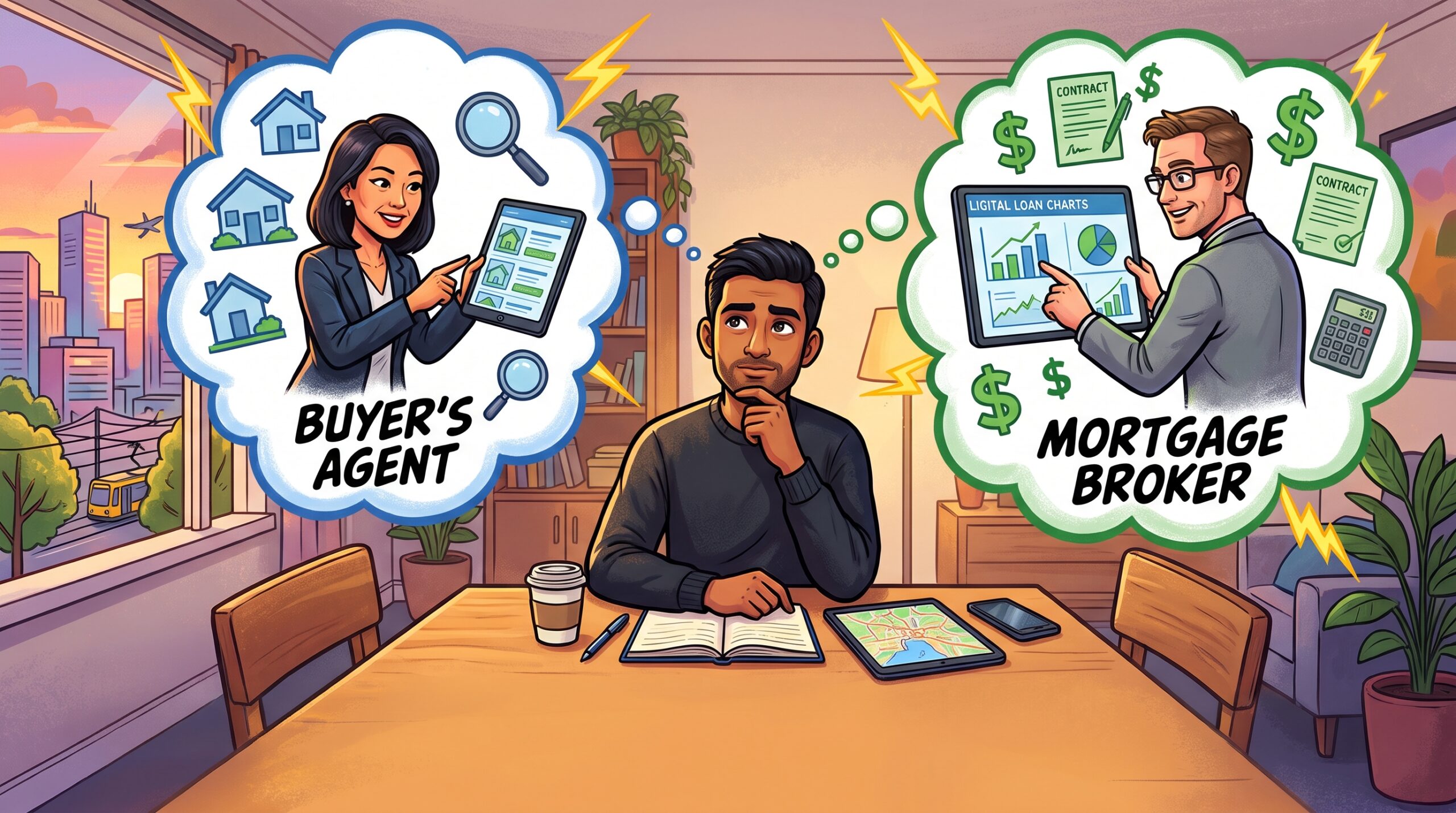
A real estate agent (also called a selling agent) is engaged by the seller to market the property and achieve the best possible outcome for them. A buyer’s agent (also known as a buyer’s advocate) is engaged by the buyer to find, assess and negotiate the purchase of a property in the buyer’s interest.
In short: the selling agent works for the seller, and the buyer’s agent works for you.
Buyer’s Agent vs Real Estate Agent at a Glance
| Buyer’s agent | Real estate (selling) agent | |
|---|---|---|
| Who they work for | You, the buyer | The seller |
| Main goal | The right property at the right price for you | The best price and terms for the seller |
| Who pays them | You, under a fee agreed in writing | The seller, usually through sales commission |
| Properties they show you | Those that match your brief, including off-market options where available | Only the properties they’ve been engaged to sell |
| Advice on what to pay | Independent, evidence-based advice for your benefit | Aimed at achieving the seller’s goals |
| Negotiation | Negotiates or bids on your behalf | Negotiates for the seller |
| Relationship | A defined engagement with you | A transaction, often a one-off |
What Does a Real Estate Agent Do?
Selling agents play an important role in the market. They:
- Advise the seller on pricing and sale method, such as private sale or auction
- Market the property, run open homes and manage enquiries
- Present offers to the seller and negotiate the sale
- Coordinate the contract and the sales process through to settlement
A good selling agent is professional and often very knowledgeable about their patch. But their job is to get the best result for the person who engaged them, and that’s the seller, not you. They can answer questions about the property, but they can’t advise you on what you should pay, because that would work against their client.
What Does a Buyer’s Agent Do?
Services vary between agencies, but a full-service buyer’s agent will typically:
- Clarify your brief, including budget, location, lifestyle needs and long-term goals
- Search the market, including off-market properties where available
- Inspect shortlisted properties and report back on what they find
- Research comparable sales to assess real market value
- Review the contract and due diligence alongside your conveyancer or solicitor
- Negotiate or bid at auction for you
- Support you through to settlement, including a pre-settlement inspection
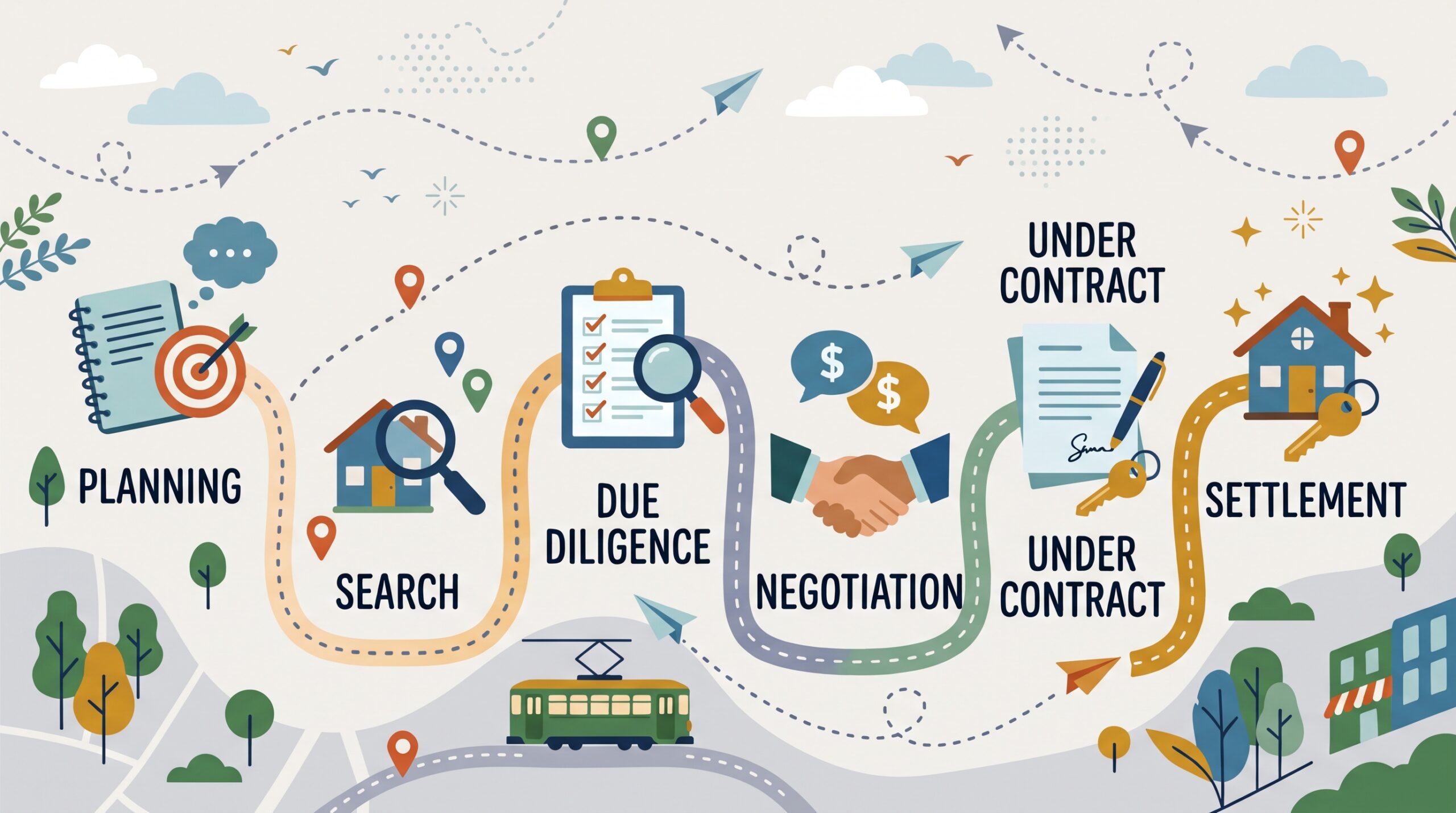
You can see how a full engagement works in the process you’ll go through, or read why buyer’s agents are becoming a popular choice for Melbourne buyers.
Why the Difference Matters
Whose interests are represented
A seller’s agent isn’t there to protect you from overpaying. A buyer’s agent is. That single difference shapes the advice you receive at every step.
Who pays, and why that matters
The seller generally pays the selling agent’s commission, usually as a percentage of the sale price. A buyer’s agent is paid by you, which is what allows them to focus on your outcome. A reputable buyer’s agent will explain how they’re paid in writing and tell you about any commissions or referral arrangements. We cover the numbers in How Much Does a Buyer’s Agent Actually Cost?
The information you’re working with
Selling agents present a property in its best light. That’s part of their job. A buyer’s agent looks at the same property with a critical eye, compares it with recent sales and flags risks you might not spot on a quick open-home visit.
Emotion vs evidence
Auctions and competitive offers can bring out the emotion in even the most prepared buyer. An independent adviser who isn’t attached to the property can keep decisions grounded in facts. Our guide to how to bid at auction without overpaying in Melbourne shows how a clear strategy helps.
Can I Use Both?
Yes, and in practice you will. A buyer’s agent doesn’t replace the selling agent. You’ll still deal with the selling agent about the property, inspections, contract details and the sale, but your buyer’s agent usually handles that conversation for you, with your interests in mind.
Do I Still Need a Buyer’s Agent?
Not everyone does. A buyer’s agent tends to add the most value if you:
- Are time-poor and can’t attend inspections and auctions regularly
- Feel nervous about negotiating or bidding at auction
- Are buying in an unfamiliar suburb or relocating from interstate or overseas
- Are buying in a competitive market
- Want an independent view before committing to a large purchase
If you have the time, local knowledge and confidence, you may be comfortable going it alone with a good conveyancer and mortgage broker behind you. For help weighing it up, read Is a Buyer’s Agent Worth the Cost in Melbourne? and our buyer’s agent FAQs.
Tips for Dealing With Selling Agents
Whether or not you hire a buyer’s agent, keep these in mind:
- Remember who they work for. Be friendly, but be careful about what you share, such as your maximum budget or how much you love the property.
- Ask questions and verify. Ask about the seller’s expectations, recent sales and the contract, and check key claims independently.
- Do your own due diligence. Arrange building and pest inspections and have your conveyancer or solicitor review the contract before you commit.
- Don’t be rushed. Pressure to act fast is a good reason to pause and get advice.
Who Is It For?
We work with a range of buyers across Melbourne. If you’re buying your first home, see our first home buyers page. If you’re upgrading or downsizing, visit home buyers. Investors and business owners can explore property investors and commercial property.
Frequently Asked Questions
What’s the main difference between a buyer’s agent and a real estate agent?
A buyer’s agent works for the buyer, while a real estate (selling) agent works for the seller. Their goals, duties and the people who pay them are different.
Is a buyer’s agent the same as a buyer’s advocate?
The two terms are often used interchangeably. What matters is that the person is licensed, acts for you and agrees the scope and fees with you in writing. See Buyer’s Advocate or Buyer’s Agent in Melbourne for more.
Does the selling agent represent me too?
No. A selling agent represents the seller. They’re expected to deal honestly with buyers, but they aren’t there to advocate for you.
Who pays a buyer’s agent?
The buyer. Fees are agreed in writing, commonly as a fixed fee or a percentage of the purchase price, and often include an upfront engagement fee.
Can a buyer’s agent help me get a better price?
A skilled agent can help you avoid overpaying through market research and strong negotiation, but no one can guarantee a particular saving.
Do I still need a conveyancer if I have a buyer’s agent?
Yes. A buyer’s agent works alongside your conveyancer or solicitor and your lender or broker, not in place of them.
Related Reading
Want Someone on Your Side of the Table? Make Your Next Move a Smart One.
You deserve to buy with confidence, not guesswork.
Dealing with selling agents, competitive auctions and hidden risks can feel overwhelming when you’re on your own. At Prime Advocates, we represent buyers in Melbourne, helping you make informed decisions, assess market value and avoid costly mistakes, so you can focus on finding the right property for your needs and budget.
Book a FREE 30-minute Property Strategy Session to discuss your goals and discover how a buyer’s agent can represent your interests from search to settlement.
Important Information and Disclaimer
This article is published by Prime Advocates for general information and education only and is current as at October 2026. It is not financial, legal, tax, credit or property investment advice. It has been prepared without taking into account your personal objectives, financial situation or needs, so please consider whether it suits your circumstances before acting on it.
- Get independent advice. Before you buy, speak with a licensed conveyancer or solicitor, a qualified mortgage broker or lender and, where relevant, an accountant or tax adviser.
- Roles and obligations vary. The descriptions of selling agents and buyer’s agents in this article are general in nature. The specific duties, fees and obligations of any agent depend on the agency agreement, the transaction and the laws in force at the time. Ask any agent to explain in writing who they act for and how they are paid.
- Rules and costs change. Stamp duty, grants and concessions, eligibility criteria and buyer’s agent fees change over time and vary between buyers and properties. Confirm current details with the State Revenue Office Victoria, Consumer Affairs Victoria or the relevant government body.
- No guarantees. Property values and market conditions can rise and fall. Nothing in this article guarantees a particular price, saving or outcome, and past results, including the client stories on our website, are not a prediction of future results.
- Third-party content. Links to other websites are provided for convenience only. We don’t control or endorse their content.
- Understand our role. A buyer’s agent acts for the buyer under a written agreement. Ask us to explain the scope of service, fees and any conflicts of interest before you sign.